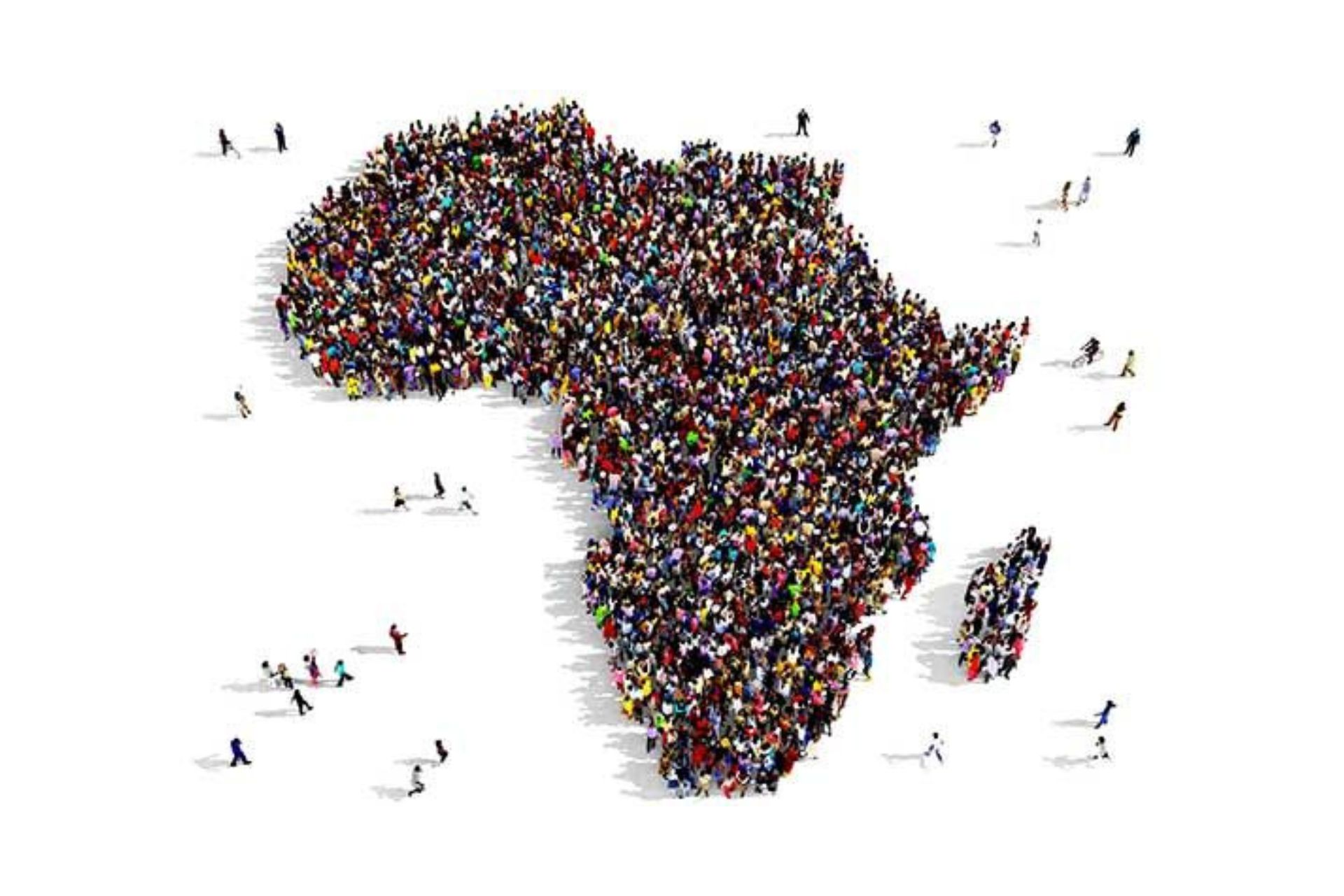
The digital future of the Africa we want resides on the principle of open internet access. There should be no discrimination, blocking, throttling or prioritisation when it comes to internet traffic. An overarching principle of the Sustainable Development Goals (SDGs) adopted by global leaders in 2015 is to “Leave no one behind”. As many people describe Africa to be the next big growth market, there is no inclusive growth without digital integration. Based on the assumptions that the free and open internet is a powerful tool for everyone fighting for social change and racial justice, this alone can leverage the purpose of inclusivity and integrate everyone.
The Africa we want is definitely driven by a technological ecosystem that foster more equitable and sustainable economic development. This requires investment of capital in infrastructure across Africa power and telecommunication networks. This also implies that legislators should agree on principle of social justice in protecting the rights of every citizen away from the basis of gender, political affiliation, religion, age, physiology, ethnic affiliation and others related factors. The legislators have been at the centre of many scandals and riots in the African continent, hence, we cannot define the digital future without them coming to the party.
"We should above all, recognize the merits of open internet and its features in shaping our society dominated by digital transformation today and led by digital strategy yesterday. We should also accept the fact that affordable internet access is a necessity for our communities and central to our ability to connect, communicate and organize for justice. "
- Jordan Seke
We should above all, recognize the merits of open internet and its features in shaping our society dominated by digital transformation today and led by digital strategy yesterday. We should also accept the fact that affordable internet access is a necessity for our communities and central to our ability to connect, communicate and organize for justice. We cannot navigate in the digital world with an open Internet that cannot provide consumers with choices and internet access when, where and how they want it. The digital future in the Africa we want is the adoption of open internet and the building of infrastructure layers that support it through the continent.
Despite the fact that the challenges of open internet in Africa remain very dynamic, we have the sole mandate of shaping our future beyond failures of the past. Accountability, responsibility and authority should be the ingredients of the future on that table of digital transformation. We should advocate this digital future knowing that the societal or community fabric of the internet is built on very specific conventions, many of which are giving way.